
Crab Facts: Claws, Shells & Secret Behaviors
Crabs are crustaceans found on every continent with over 7,000 species. Discover why crabs walk sideways, trade shells, and grow claws stronger than jaws.
Browse through our collection of fascinating facts
Crabs are crustaceans found on every continent with over 7,000 species. Discover why crabs walk sideways, trade shells, and grow claws stronger than jaws.

Spiders produce silk five times stronger than steel by weight. Discover how spiders fly using electric fields, see in color, and engineer perfect webs.

Jaguars possess the strongest bite of any big cat and kill prey by crushing skulls rather than suffocating. They love swimming and hunt caimans in rivers.

Panthers are not a real species. Black panthers are melanistic leopards or jaguars with a gene causing dark fur. Their spots still show in sunlight.

Woodpeckers peck 20 times per second with forces 1,200 times gravity without brain damage. Learn about their incredible skull adaptations and ecological importance.

Llamas are intelligent South American animals that hum to communicate and spit when annoyed. Learn about their unique behaviors, guard instincts, and medical breakthroughs.

Camels can survive weeks without water and drink 40 gallons in minutes. Learn about their incredible desert adaptations, unique blood, and fascinating survival abilities.

American bison nearly went extinct but recovered from just 1,000 individuals. Learn about their incredible strength, survival abilities, and ecological importance.

Goats have rectangular pupils for 340 degree vision and can climb nearly vertical surfaces. Discover goat abilities, accents, and social intelligence.

Pigs are highly intelligent animals as smart as three year old humans. Learn about pig intelligence, cleanliness, communication, and surprising abilities.

Chickens are intelligent birds that can recognize over 100 faces. Learn about chicken behavior, intelligence, communication, and their surprising abilities.

Wombats produce cube shaped poop and use their hard rumps as weapons. Discover wombat defenses, burrows, speed, and unique marsupial adaptations.

Coyotes are adaptable predators living in cities and wild areas. Learn about their intelligence, howling communication, and survival skills.

Grizzly bears are massive predators weighing up to 800 lbs. Learn about their incredible strength, hibernation habits, and surprising speed.

Porcupines are rodents covered in 30,000 quills that detach on contact. Discover how their barbed quills work and surprising survival tactics.

Reindeer are Arctic deer that migrate up to 3,000 miles yearly. Discover their unique antlers, clicking hooves, and extreme cold adaptations.

Dolphins are highly intelligent marine mammals known for complex communication, social bonds, and problem solving. They use echolocation to navigate and hunt underwater.

Pigeons are intelligent birds with remarkable navigation abilities that served as war heroes saving thousands of lives. Discover pigeon history, myths debunked, and surprising intelligence.

Praying mantises are predatory insects with 3D vision and head turning abilities unique among insects. Discover hunting techniques, mating behavior, camouflage, and cultural significance.

Ravens are highly intelligent birds that use tools, plan for the future, and remember human faces. Discover raven problem solving, cultural significance, and surprising abilities.

Tortoises can live over 190 years making them the longest-lived land animals. Discover famous tortoises, longevity secrets, differences from turtles, and conservation stories.

Anteaters are mammals with extremely long tongues for eating ants and termites. Discover giant anteater diet, habitat, behavior, and unique adaptations.

Arctic foxes are small canines adapted to extreme cold, with thick fur and unique hunting skills. Discover Arctic fox habitat, diet, and cold adaptations.

Cassowaries are large flightless birds native to New Guinea and Australia. Discover cassowary size, behavior, dangerous kicks, and rainforest importance.

Komodo dragons are the largest living lizards, reaching 10 feet long. Discover Komodo dragon venom, hunting behavior, habitat, and unique adaptations.

Mantis shrimp are marine crustaceans with the fastest punch in the animal kingdom. Discover mantis shrimp vision, hunting abilities, and unique adaptations.

Quokkas are small marsupials famous for their friendly smiling appearance. Discover quokka habitat, behavior, diet, and why they are called the happiest animals.

Snow leopards are rare big cats living in Asian mountain ranges. Discover snow leopard habitat, hunting behavior, adaptations, and conservation challenges.

Tapirs are large herbivorous mammals with flexible trunk like snouts. Discover tapir species, habitat, diet, behavior, and their role in forest ecosystems.

Ants can lift 10 to 50 times their body weight and live in colonies of millions. Learn about ant strength, social structure, and remarkable abilities.

Capybaras are the world's largest rodents weighing up to 140 pounds. Learn about their social behavior, aquatic lifestyle, and gentle nature.

Chimpanzees share 98.8% of human DNA and use tools, communicate, and form complex societies. Learn about chimp intelligence, behavior, and habitats.

Crows are highly intelligent birds that use tools, recognize faces, and solve complex problems. Learn about crow intelligence, social behavior, and habits.

Hyenas live in female dominated clans and are skilled hunters, not just scavengers. Learn about hyena intelligence, social behavior, and powerful jaws.

Jellyfish have existed for over 500 million years and some species are biologically immortal. Discover jellyfish anatomy, stinging abilities, and lifespans.

Lemurs are primates found only in Madagascar with over 100 species. Learn about lemur diversity, social behavior, endangered status, and unique adaptations.

Lobsters can live over 100 years and never stop growing throughout their lives. Discover lobster biology, molting, unusual blue blood, and ocean habitats.

Ostriches are the world's largest birds standing 9 feet tall and running 45 mph. Learn about ostrich speed, egg size, powerful kicks, and unique adaptations.

Chinchillas are rodents with incredibly soft fur from South America. Learn about chinchilla care, behavior, diet, dust baths, and lifespan.

Clownfish live in sea anemones and can change sex. Learn about clownfish symbiosis, reproduction, species, colors, and Finding Nemo popularity.

Ferrets are playful domesticated animals related to weasels. Learn about ferret behavior, care requirements, diet, health needs, and lifespan.

Iguanas are large herbivorous lizards found in tropical regions. Learn about iguana species, diet, behavior, habitat, and popular pet care.

Manatees are gentle aquatic mammals known as sea cows. Learn about manatee species, diet, warm water habitats, threats, and conservation.

Orcas are highly intelligent marine mammals found in oceans worldwide. Learn about orca behavior, diet, pods, communication, and hunting skills.

Puffins are seabirds with colorful beaks living in northern oceans. Learn about puffin species, diving abilities, nesting habits, and diet.

Seahorses are unique fish where males carry babies. Learn about seahorse reproduction, habitats, species, camouflage abilities, and conservation.

Swans are large elegant waterfowl known for lifelong partnerships. Learn about swan species, mating behavior, habitat, migration, and diet.

Toucans are tropical birds with oversized colorful beaks. Learn about toucan species, beak functions, diet, habitat, and rainforest behavior.

Albatrosses have the largest wingspan of any bird at 11 feet. Discover albatross flight abilities, lifespans, mating behaviors, and ocean adaptations.

Armadillos are armored mammals native to the Americas. Learn about armadillo species, shell structure, digging abilities, diet, and unique behaviors.

Axolotls are unique aquatic salamanders with incredible regeneration abilities. Learn about axolotl regeneration, gills, colors, habitat, and biology.

Bats are the only mammals capable of true flight. Learn about bat echolocation, diet, species, habitats, and their vital role in ecosystems.

Beavers are nature's engineers that build dams and lodges. Learn about beaver teeth, construction abilities, habitat impact, diet, and behaviors.

Geckos are lizards famous for climbing walls and ceilings. Learn about gecko toe pads, tail regeneration, vocalizations, species, and behaviors.

Moose are the largest deer species with males weighing up to 1,500 pounds. Learn about moose antlers, diet, habitat, behaviors, and adaptations.

Pelicans are large water birds with distinctive throat pouches. Learn about pelican species, fishing techniques, flight abilities, and behaviors.

The platypus is a unique egg laying mammal found in Australia. Discover platypus venom, electroreception, habitat, diet, and amazing adaptations.

Walruses are massive Arctic marine mammals with iconic tusks. Learn about walrus tusks, diving abilities, social behavior, diet, and adaptations.

Chameleons are lizards famous for changing colors and having independently moving eyes. Their projectile tongues catch prey with incredible speed and accuracy.

Hedgehogs are small spiny mammals known for rolling into protective balls. These nocturnal insect eaters have 5,000 to 7,000 spines covering their backs.
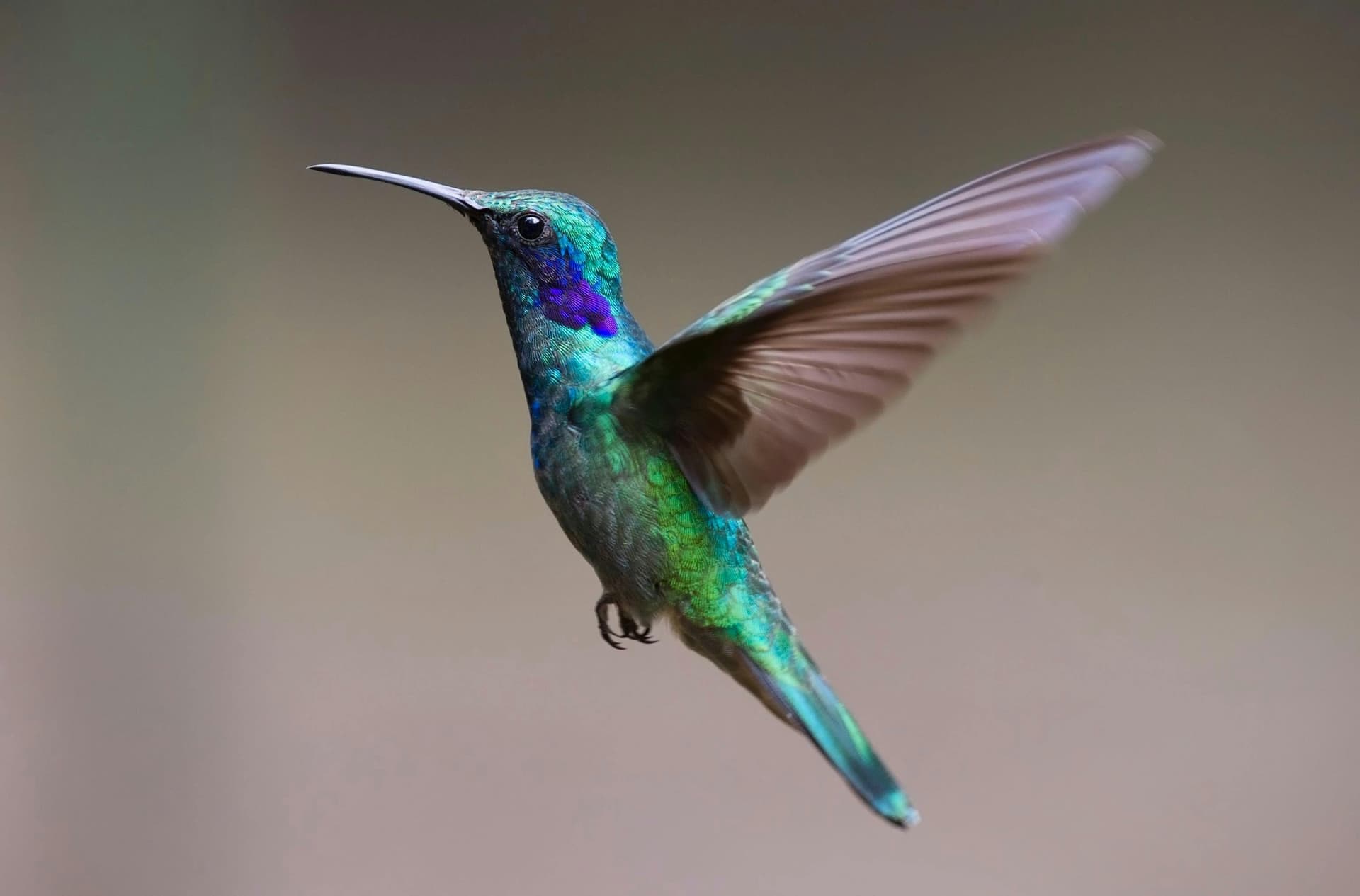
Hummingbirds are the smallest birds with incredible flying abilities. They hover in midair, fly backwards, and have the fastest wing beats of any bird.

Lynx are medium sized wild cats with distinctive black ear tufts, large paws, and short tails. These elusive hunters thrive in northern forests worldwide.

Meerkats are highly social mammals living in cooperative groups in African deserts. They stand guard watching for predators while others forage for food.

Otters are playful aquatic mammals known for intelligence and tool use. They live in rivers and oceans, eating fish and shellfish with incredible skills.

Peacocks are male peafowl known for spectacular iridescent tail feathers. These beautiful birds display elaborate courtship behaviors to attract females.

Raccoons are intelligent, adaptable mammals known for their distinctive facial masks and dexterous paws. They thrive in diverse habitats including cities.

Red pandas are adorable tree dwelling mammals with rust colored fur and bushy tails. Despite their name, they are not closely related to giant pandas.

Bees are vital pollinators with 20,000 species worldwide. Discover bee communication, hive organization, pollination importance, and honey production processes.

Butterflies are insects with over 20,000 species worldwide. Learn about butterfly metamorphosis, migration patterns, pollination roles, and unique wing structures.

Crocodiles are powerful reptiles that have existed for 200 million years. Discover crocodile hunting techniques, habitats, species, and their crucial ecosystem roles.

Deer are hoofed mammals with over 50 species worldwide. Learn about deer antlers, behavior, habitats, adaptations, and their important roles in ecosystems.

Flamingos are pink wading birds with 6 species worldwide. Learn why flamingos are pink, their filter feeding techniques, social behaviors, and wetland habitats.

Foxes are intelligent canines found worldwide with 12 species. Discover fox behavior, hunting techniques, habitats, and how they thrive in diverse environments.

Frogs are amphibians with over 7,000 species across all continents except Antarctica. Learn about frog lifecycles, adaptations, calls, and their sensitive roles as environmental indicators.

Monkeys are intelligent primates with over 260 species. Learn about monkey behavior, social structures, habitats, and how they differ from apes worldwide.

Octopuses are intelligent marine mollusks with 8 arms and 3 hearts. Discover octopus camouflage, problem solving abilities, habitats, and unique adaptations.

Parrots are intelligent birds with over 400 species worldwide. Discover parrot talking abilities, problem solving, lifespans, and their complex social behaviors.

Seals are marine mammals with 33 species worldwide. Learn about seal diving abilities, adaptations, social behaviors, and their crucial roles in ocean ecosystems.

Sharks are ancient predators with over 500 species. Learn about shark senses, hunting behavior, habitats, and why these ocean creatures are vital to ecosystems.

Snakes are limbless reptiles with 3,000+ species worldwide. Learn about snake senses, venom, habitats, and their important roles in controlling rodent populations.

Squirrels are rodents with over 200 species worldwide. Learn about squirrel food caching, jumping abilities, communication, and their vital role in forest ecosystems.

Zebras are striped equines with 3 species in Africa. Discover why zebras have stripes, their social behaviors, habitats, and their important roles in grassland ecosystems.

Bears are powerful mammals with 8 species worldwide. Learn about bear behavior, diet, hibernation, habitat, and the differences between grizzly, black, and polar bears.

Guinea pigs are social pets with 13 recognized breeds. Learn about guinea pig care, diet, behavior, vitamin C needs, and why they make wonderful companions.

Hamsters are popular small pets with over 20 species. Learn about hamster care, diet, behavior, breeds, and how to create the perfect habitat for these adorable rodents.

Horses are majestic animals with over 300 breeds worldwide. Learn about horse behavior, care, breeds, their unique senses, and 6,000 year partnership with humans.
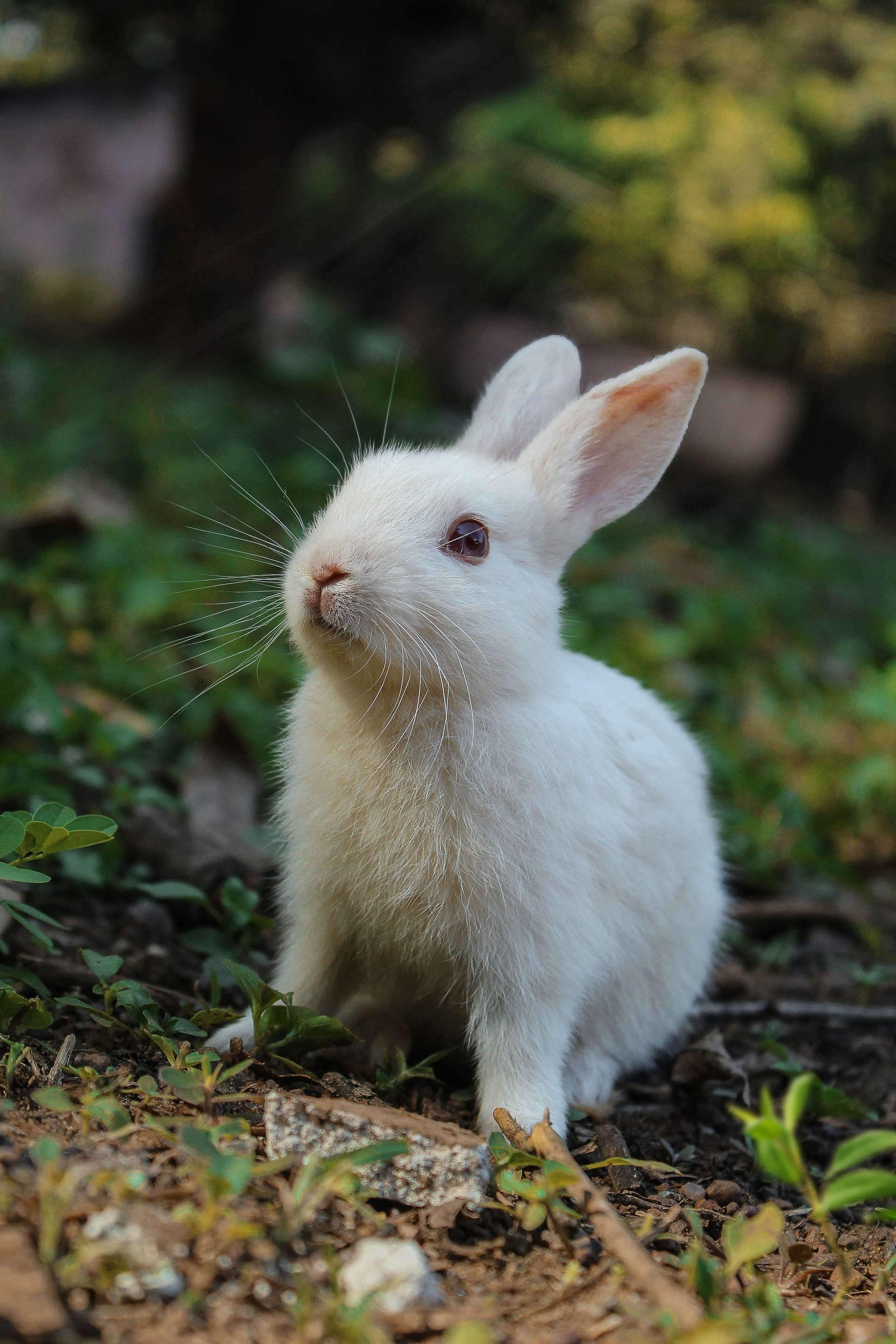
Rabbits are popular pets with over 300 breeds worldwide. Learn about rabbit behavior, diet, housing needs, and how to care for these social animals.

Alligators are ancient reptiles that survived 37 million years unchanged. Discover alligator hunting techniques, parental care, differences from crocodiles, and ecosystem roles.

Giraffes are the tallest mammals on Earth, reaching heights up to 18 feet. Their long necks, unique patterns, and fascinating social lives make them iconic.

Gorillas are the largest living primates, with males weighing up to 450 pounds. Despite their strength, these gentle herbivores live in peaceful family groups.

Hippopotamuses are massive semi aquatic mammals spending most of their time in African rivers. Despite appearing docile, hippos are among Africa's most dangerous animals.

Kangaroos are large marsupials native to Australia known for hopping on powerful hind legs. These herbivores can jump 25 feet and reach speeds of 35 miles per hour.

Koalas are tree dwelling marsupials native to Australia that sleep up to 22 hours daily. They eat only eucalyptus leaves, one of the least nutritious diets.

Leopards are powerful solitary cats with distinctive spotted coats. They are adaptable predators living across Africa and Asia, known for incredible strength and stealth.

Orangutans are highly intelligent great apes living in the rainforests of Borneo and Sumatra. They are critically endangered due to habitat destruction and hunting.

Owls are nocturnal birds of prey with exceptional night vision and silent flight. Over 200 species exist worldwide, each adapted to hunting in darkness.

Giant pandas are iconic bears native to China that eat almost exclusively bamboo. Their black and white coloring and endangered status make them conservation symbols.

Penguins are flightless seabirds found primarily in the Southern Hemisphere. Their streamlined bodies, flipper wings, and unique adaptations make them excellent swimmers.

Polar bears are the largest land carnivores, perfectly adapted to Arctic life. They hunt seals on sea ice but face existential threats from climate change.

Rhinoceroses are large herbivorous mammals with distinctive horns made of keratin. Five species remain, all threatened by poaching and habitat loss.

Sea turtles are ancient marine reptiles that have existed for over 100 million years. Seven species navigate vast ocean distances, facing critical threats.

Sloths are slow moving arboreal mammals living in Central and South American rainforests. They sleep up to 20 hours daily and move at incredibly slow speeds.

Dogs are domesticated descendants of wolves with over 340 breeds worldwide. They have served as human companions for at least 15,000 years across every continent.

Elephants are the largest land mammals with extraordinary intelligence, complex social structures, and remarkable memories that help them survive across Africa and Asia.

Tigers are the largest cat species and apex predators with distinctive orange and black stripes. Only 4,000 remain in the wild across 13 Asian countries.

Bald eagles are large birds of prey and America's national symbol, known for their white heads, powerful builds, and remarkable recovery from near extinction.
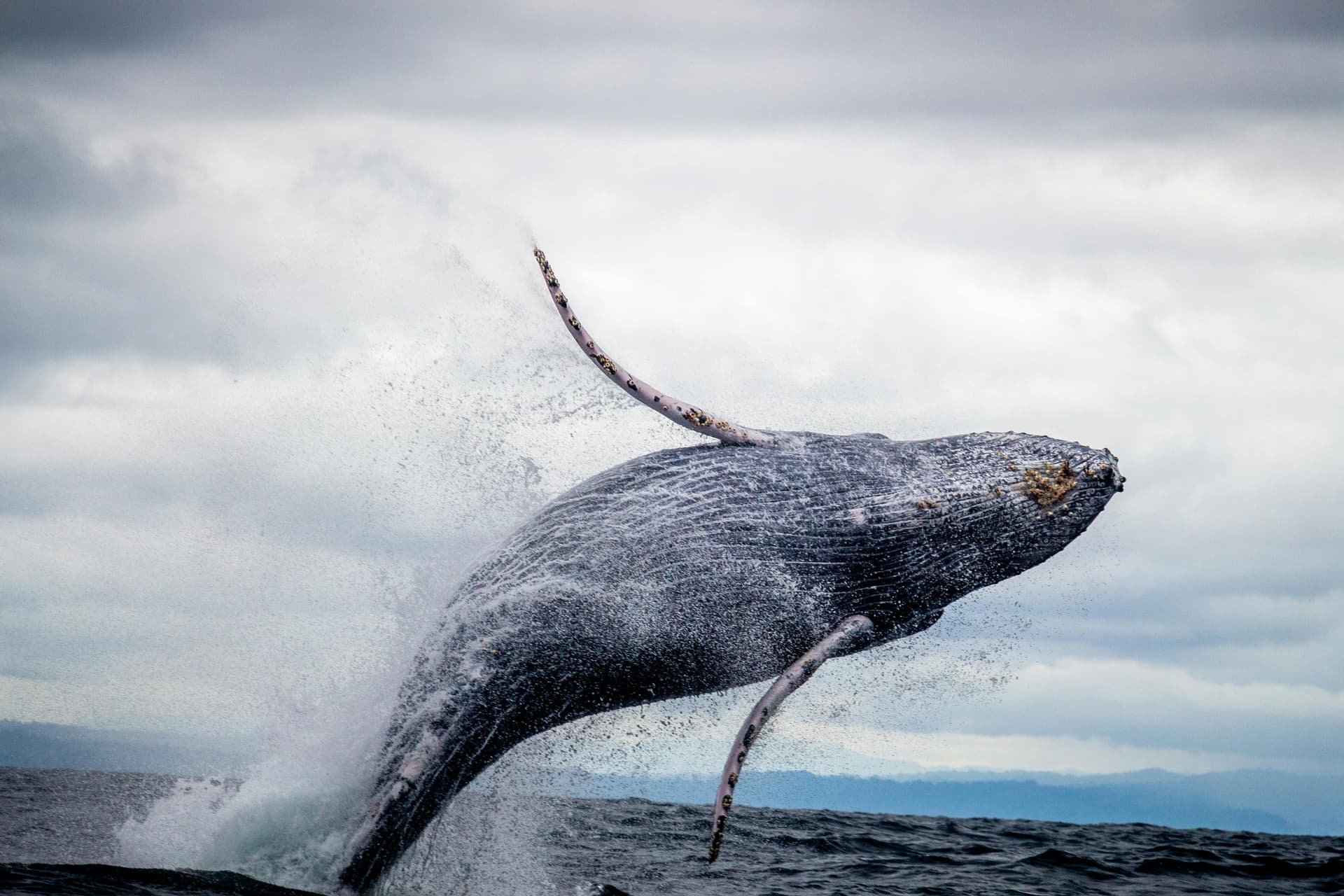
Blue whales are the largest animals ever to exist on Earth, surpassing even the biggest dinosaurs in size and weight. These ocean giants fascinate us.

Cats are popular pets with 600 million worldwide. Learn about cat behavior, diet, breeds, senses, and their unique relationship with humans.

Cheetahs are the fastest land animals on Earth, reaching speeds up to 70 mph. Learn about their hunting tactics, habitat, and endangered status.

Lions are the second largest big cats and the only truly social felines, living in prides with powerful roars heard for miles across Africa and India.

Wolves are large carnivorous canids known for complex social structures, cooperative hunting, and haunting howls. These apex predators are ancestors of all dogs.

Mawsynram in India receives over 40 feet of rain every year. Residents grow bridges from living tree roots that get stronger with age and last over 500 years.

Mount Everest stands 29,032 feet above sea level. Its summit is made of ocean limestone filled with ancient marine fossils from 450 million years ago.

Parts of Chile's Atacama Desert have not received a single drop of rain in over 500 years. NASA uses this barren landscape to test Mars rovers because the soil is nearly identical.

Antarctica holds the record for the coldest temperature ever recorded on Earth at minus 128.6F. The extreme cold at Vostok Station can freeze CO2 out of the air.

The Mariana Trench is the deepest ocean location at 36,200 feet deep, where pressure crushes with 8 tons per square inch. Mount Everest could fit inside with room to spare.

Death Valley holds the world record for the hottest temperature ever reliably recorded at 134°F (56.7°C) on July 10, 1913. Summer temperatures regularly exceed 120°F.

Saffron is the most expensive spice in the world, costing up to $10,000 per pound. Each flower produces only three threads, requiring 75,000 flowers for one pound.
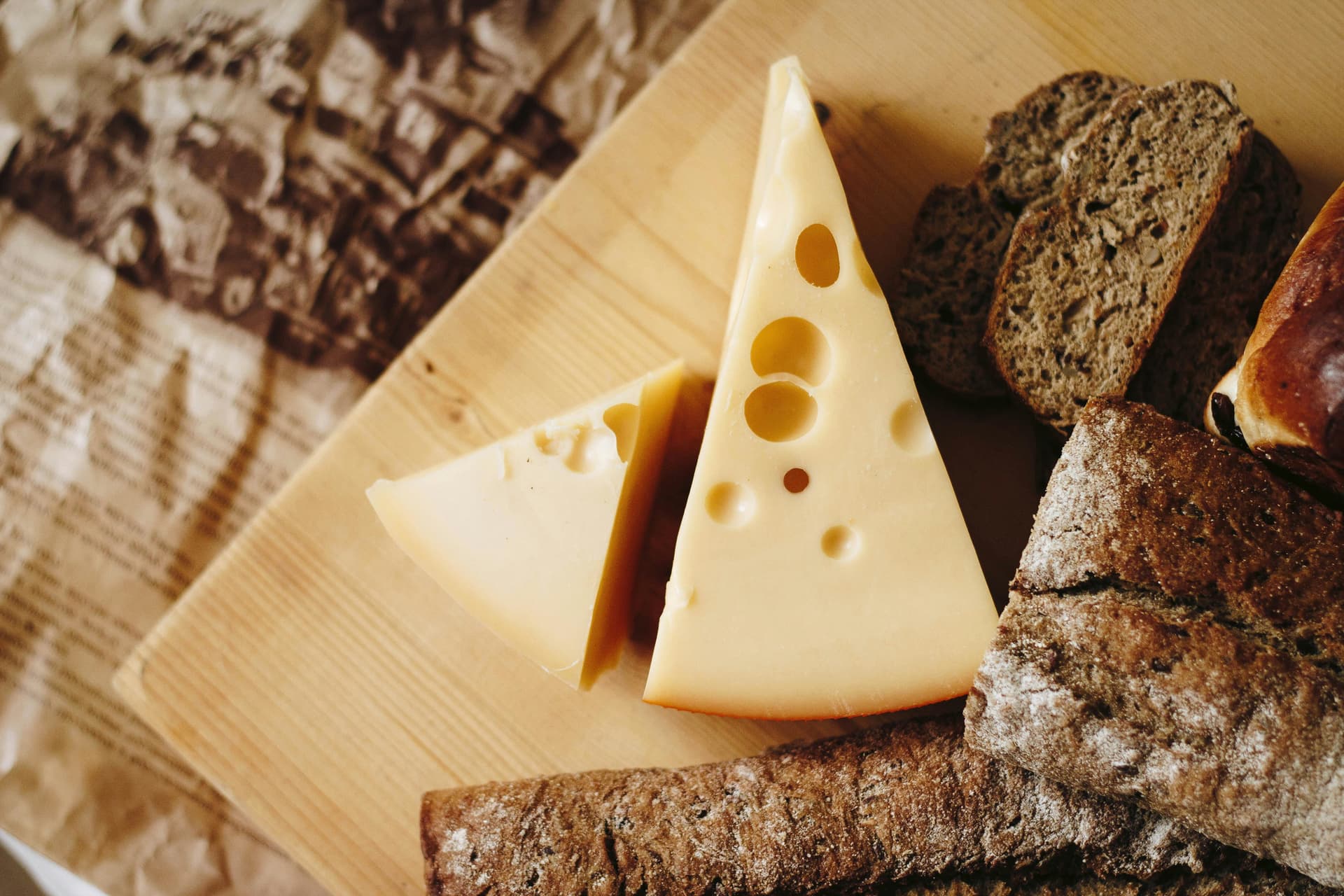
Cheese is the most stolen food item in the world, with 4% of all cheese produced disappearing due to theft. Organized crime gangs target expensive varieties.

The 1883 Krakatoa eruption created the loudest sound in recorded history at 310 decibels. People heard the explosion 3,000 miles away, and it ruptured eardrums 40 miles from the blast.

Airplane windows contain a small hole called a breather hole that regulates air pressure between window panes and prevents fogging, ensuring passenger safety at high altitudes.

Brain freeze happens when cold foods rapidly cool the roof of your mouth triggering blood vessel changes that cause sudden forehead pain lasting 30 to 60 seconds.

The human nose can distinguish and remember about 50,000 different scents. Smell connects directly to memory centers in the brain, making scent memories the strongest.

Water boils at lower temperatures at high altitudes because air pressure decreases. At sea level water boils at 212 degrees, but at 10,000 feet it boils at 194.

Goosebumps are a reflex triggered by cold or emotions. Tiny muscles pull hair follicles upright, creating bumps on skin. This response evolved to trap heat.

Yawning cools the brain and increases alertness. The deep breath brings cool air to blood vessels that regulate brain temperature. Yawning is contagious due to empathy.

Hanging Christmas stockings began with a legend about Saint Nicholas secretly giving gold coins to poor sisters. The tradition evolved into children hanging stockings for gifts.

Saying bless you after sneezes comes from ancient beliefs that sneezing expelled the soul or allowed evil spirits in. Pope Gregory mandated it during a plague in 590 AD.

Ruth Wakefield invented chocolate chip cookies by accident in 1938 when chocolate chunks did not melt as expected, creating America's most popular cookie.

Cows form close friendships and become stressed when separated from their best friends. Research shows cattle have complex social structures and emotions.

Hot water can freeze faster than cold water under certain conditions, a phenomenon called the Mpemba Effect discovered by a Tanzanian student in 1963.

Laughter provides real health benefits including reduced stress, improved immunity, pain relief, and cardiovascular benefits backed by scientific research.

The United States has more than 16,500 public libraries compared to approximately 13,000 McDonald's locations, proving community resources outnumber fast food.

A single pineapple takes 18 to 24 months to grow from planting to harvest. This tropical fruit requires warmth, patience, and perfect conditions to develop.

Rainbows are always complete circles, but from ground level we only see the upper half as an arc. From airplanes or high mountains, circular rainbows appear.

Strawberries are not true berries in botanical terms, but bananas, grapes, and even pumpkins are. The botanical definition differs from common usage.

Trees communicate and share resources through underground fungal networks called mycorrhizae, creating a wood wide web that connects entire forests.

Butterflies have taste receptors on their feet that detect chemicals when they land. This helps them identify the right plants to lay eggs on and find food.

An average cumulus cloud weighs about 1.1 million pounds despite floating in the sky. Clouds stay aloft because tiny water droplets are spread out over huge volumes.

Dolphins create unique signature whistles that function as names. They use these whistles to call specific individuals and identify themselves to others.

The Eiffel Tower grows up to 6 inches taller during hot summer days due to thermal expansion. The iron structure expands when heated and contracts when cooled.

Honeybees can learn to recognize individual human faces despite having tiny brains. They process faces as patterns of features rather than complete images.
Humans share approximately 60% of their DNA with bananas. This surprising genetic overlap exists because all living things evolved from common ancestors.

The immortal jellyfish can reverse its aging process and return to a juvenile state indefinitely. This unique ability makes it biologically immortal.

Octopuses have nine brains working together. One central brain controls the body while eight mini brains in the arms operate independently with blue blood.

Polar bears are nearly invisible to infrared cameras because their insulation is so effective. Their thick fur and fat trap heat inside, preventing detection.

Greenland sharks can live over 400 years, making them the longest living vertebrates on Earth. These ancient predators grow incredibly slowly in cold water.

Slugs have four noses or two pairs of tentacles. The upper tentacles have eyes while lower tentacles detect smells. Both pairs help slugs navigate and find food.

A mature tree absorbs about 21 kilograms of carbon dioxide per year, roughly equal to what an average car produces driving 150 to 200 kilometers annually.

Some turtles can absorb oxygen through their cloaca during hibernation. This allows them to stay underwater for months without surfacing to breathe air.

A single drop of water contains approximately 1.67 sextillion atoms. This number far exceeds the estimated drops in all Earth's oceans combined.

Bananas are technically berries, but strawberries, raspberries, and blackberries are not. This surprising botanical fact contradicts everything you think you know about fruit.

Octopuses have three hearts and blue blood. Two hearts pump blood to the gills while one pumps blood to the body, making them one of nature's strangest creatures.

Scotland's national animal is the unicorn, a mythical creature that has symbolized Scottish independence and power since the 1300s. The choice reflects centuries of tradition.

Wombats are the only animals that poop cubes. Their unique intestinal structure produces perfectly shaped cubic droppings that they stack to mark territory.

Honey is the only food that never spoils. Archaeologists have found 3,000 year old honey in Egyptian tombs that is still perfectly edible today.

Belgian families invented french fries in the 1600s. Americans visiting French-speaking Belgium gave them their name. McDonald's changed its recipe in 1990.

Ice cream spent 200 years as a luxury only royalty could afford. The cone was invented by accident, and Marco Polo had nothing to do with its origins.

Steak is one of the world's most ordered dishes. The same cut has a different name in every country, and medium rare always wins for a purely chemical reason.

Avocados nearly went extinct 13,000 years ago when the megafauna that spread their seeds died out. Every Hass avocado today traces back to one California tree.

The Belgian waffle Americans know was invented in New York in 1964. Waffles themselves date back to medieval Europe and have two World's Fair invention stories.

Hot dogs came from German immigrants but became an American icon. Discover hot dog origins, the name mystery, regional variations, and why Chicago bans ketchup.

Peking duck originated in imperial China with elaborate preparation taking 24+ hours. Discover the imperial history, traditional methods, and ritualistic serving style.

Chicken tikka masala was likely invented in Britain, not India, sparking controversy. Discover its disputed origins, why it became Britain's national dish, and cultural fusion.

Burritos originated in Mexico but evolved into an American phenomenon. Discover burrito history, regional variations, the Mission burrito, and cultural differences.

Banh mi is a Vietnamese sandwich born from French colonialism. Learn how this fusion of French baguettes and Vietnamese ingredients became a global street food phenomenon.

Butter chicken was invented in 1950s Delhi by accident using leftover tandoori chicken. Learn about this creamy Indian curry's surprising origins and global popularity.

Lasagna is an ancient Italian dish with layers of pasta, sauce, and cheese. Discover its origins in ancient Rome and why Garfield made it famous worldwide.

Pancakes date back over 30,000 years to ancient civilizations. Learn about pancake traditions worldwide, why bubbles mean flip time, and surprising variations.

Poke bowls are Hawaiian dishes of raw fish over rice. Learn how ancient Hawaiian fishermen created poke and why it became a global health food trend.

Bibimbap is Korean mixed rice with vegetables, meat, and egg. Learn why the burnt rice bottom is prized, its royal origins, and why mixing thoroughly is essential.

Carbonara is a Roman pasta made with eggs, Pecorino cheese, guanciale, and black pepper. Learn why cream ruins it and the surprising wartime origins of this dish.

Couscous is North African steamed semolina granules with Berber origins dating back centuries. Learn why it's not a grain and how UNESCO recognized this cultural treasure.

Escargot is cooked land snails, a French delicacy with Roman origins. Discover which snails are edible, how Burgundy butter is made, and why snails need purging first.

Gnocchi are Italian potato dumplings with ancient origins. Learn why potatoes came late to the recipe, how fork marks improve sauce grip, and regional varieties.

Gyros is Greek meat cooked on a vertical rotisserie and served in pita bread. Learn the correct pronunciation, how it differs from döner, and its 1920s origins.

Miso is fermented soybean paste that has been central to Japanese cuisine for over 1,300 years. Discover how koji mold creates umami flavor and why color matters.

Naan is leavened flatbread cooked in a tandoor oven. Discover its Persian origins, why slapping it on oven walls works, and how it differs from other flatbreads.

Tempura is a Japanese frying technique borrowed from Portuguese missionaries in the 1500s. Learn why ice water creates the signature light, crispy batter coating.

Kimchi is Korea's national dish made from fermented vegetables. Learn about kimchi's ancient origins, health benefits, UNESCO status, and why Koreans eat 40 pounds per person annually.

Nachos were invented in 1943 by Ignacio Nacho Anaya in Mexico creating a simple snack that became a global phenomenon. Learn about the origin story and cultural impact.

Shakshuka is a dish of eggs poached in spicy tomato sauce originating from North Africa. Learn about shakshuka's working class origins, Israeli adoption, global brunch popularity, and endless regional variations.

Shawarma is a Middle Eastern street food of spit-roasted meat served in pita. Discover how Ottoman soldiers invented vertical roasting, why it became a global phenomenon, and its differences from gyros and doner kebab.

Döner kebab originated in Ottoman Turkey and became European street food staple through Turkish immigrants. Learn about preparation methods, German döner culture, and global variations.

Empanadas originated in medieval Spain and spread across Latin America with each country developing unique fillings and styles. Learn about regional varieties and cultural traditions.

Fish and chips originated in 19th century Britain combining Jewish fried fish with chip shop potatoes. Learn about chip shop culture, regional traditions, and national significance.

Gelato originated in Renaissance Italy with lower fat and air than ice cream creating dense creamy texture. Learn about traditional methods, flavor philosophy, and gelateria culture.

Hamburgers evolved from German immigrants' beef traditions into America's iconic sandwich. Learn about burger culture, regional styles, and worldwide adaptations.

Macarons originated in Italy and became iconic French pastries with delicate shells and ganache filling. Learn about techniques, flavors, Parisian traditions, and luxury status.

Pasta originated in Italy with hundreds of regional shapes and traditions. Learn about pasta making techniques, shape purposes, cooking methods, and Italian pasta culture.

Samosas originated in the Middle East and became iconic Indian street food. Learn about regional fillings, folding techniques, cultural significance, and global popularity.

Spring rolls originated in China and spread across Asia with fresh and fried variations. Learn about regional styles, rice paper traditions, and cultural significance.

Tacos originated as Mexican working class street food with endless regional variations. Learn about authentic taco styles, tortilla traditions, and cultural significance.

Biryani originated from Persian pilaf brought to India by Mughal rulers in the 16th century. Learn about regional biryani styles, cooking methods, and traditions.

Ceviche originated in Peru over 2,000 years ago as a fish preservation method. Discover Peruvian ceviche traditions, regional variations, and coastal culture.

Churros originated in Spain centuries ago inspired by Chinese fried dough. Discover Spanish churros traditions, regional varieties, and chocolate pairing customs.

Dumplings originated in ancient China over 1,800 years ago. Discover Chinese dumpling traditions, regional styles worldwide, and fascinating cultural customs.

Hummus originated in the Middle East over 700 years ago. Learn about authentic hummus traditions, regional variations, and the cultural significance of chickpeas.

Paella originated in Valencia, Spain in the 18th century as a farmer's meal. Learn about authentic paella traditions, regional varieties, and Spanish customs.

Poutine originated in rural Quebec, Canada in the late 1950s. Discover authentic poutine traditions, regional varieties, and Canadian comfort food culture.

The baguette became a French icon in the early 20th century and earned UNESCO heritage status. Learn about baguette history, strict regulations, and cultural significance in France.

Curry encompasses diverse dishes from the Indian subcontinent and beyond, with thousands of years of history. Learn about curry origins, regional varieties, and how it became a global phenomenon.

Dim sum originated in southern China over 1,000 years ago as a tea house tradition. Discover dim sum history, popular varieties, and the cultural practice of yum cha in Cantonese cuisine.

Falafel originated in the Middle East over 1,000 years ago and became a staple across the region. Discover falafel history, preparation methods, and its journey to global popularity.

Pho originated in northern Vietnam in the early 20th century and became the national dish. Learn about pho history, regional varieties, and the cultural traditions of this beloved soup.

Pizza originated in Naples, Italy in the 18th century and became a global phenomenon. Discover pizza history, Italian traditions, and surprising facts about this beloved dish.

Ramen originated in China and evolved into Japan's most beloved noodle dish. Learn about ramen history, regional varieties, and the cultural phenomenon of ramen shops.

Tiramisu was invented in the 1960s in northeastern Italy and became a global dessert sensation. Learn about tiramisu history, its surprising origins, and authentic preparation methods.

Baklava originated in the Ottoman Empire and spread across the Middle East and Mediterranean. Each region developed unique variations using different nuts and syrups.

Chocolate has a rich 4,000 year history from ancient Mesoamerica to modern treats. Explore chocolate origins, fun facts, and surprising trivia about this beloved food.

Croissants originated in Austria, not France. French bakers perfected the pastry in the 1800s. Today France produces over 400 million croissants annually.

Korean fried chicken features an ultra crispy coating from double frying and uses unique sweet and spicy glazes. The dish became popular in the 1970s and 1980s.

Pad Thai became Thailand's national dish in the 1930s as part of a government campaign. Today it ranks as one of the world's most popular street foods.

Traditional sushi originated as a preservation method in ancient Japan. Modern nigiri sushi emerged in 1820s Tokyo. Japanese sushi etiquette differs significantly from Western practices.

Tacos al pastor originated from Lebanese immigrants in Mexico during the 1930s. They adapted shawarma techniques using local ingredients to create this iconic street food.

National Panda Day on March 16 celebrates giant pandas and one of conservation's biggest success stories. Wild populations grew from 1,100 to nearly 1,900.

On March 15, 1892, the escalator earned its patent as an inclined elevator. It debuted as a Coney Island amusement ride before changing malls and metros.

Pi Day began on March 14, 1988 when physicist Larry Shaw led a boombox parade through a San Francisco museum. Today it's a global celebration of mathematics.

On March 13, 1999, Cher's Believe hit number one on the Billboard Hot 100. The song introduced Auto Tune as a creative effect and sold over 11 million copies.

On March 12, 1989, Tim Berners-Lee submitted a proposal at CERN that became the World Wide Web. His boss called it vague but exciting. He never patented it.

On March 11, 2011, Apple released the iPad 2 to massive lines worldwide. Steve Jobs surprised everyone by presenting it despite being on medical leave.

Every March 10, fans celebrate Mario Day because MAR10 spells Mario. The world's most famous plumber started as a nameless character named after a landlord.

On March 9, 1959, a $3 doll named after Ruth Handler's daughter debuted at a New York toy fair. A missile engineer built her. Kids made her a global icon.

International Women's Day began when 15,000 garment workers marched through New York in 1908. The real origin story is far more radical than most realize.

National Cereal Day on March 7 celebrates breakfast cereal, a health food turned sugary empire. Discover the bizarre origins and surprising facts behind it.

On March 6, 1912, a Hoboken grocer bought the very first Oreos ever sold. This copycat cookie outsold the original Hydrox and became the world's favorite.

On March 5, 1963, Wham-O patented the Hula Hoop after selling 25 million in just two months. The toy craze swept the globe and even got banned in countries.

On March 4, 2000, Sony launched the PlayStation 2 in Japan. It became the best selling video game console of all time with over 155 million units sold.

On March 3, 2017, Nintendo launched the Switch after the disastrous Wii U era. It became the fastest selling console in Nintendo history and a gaming sensation.

On March 2, 1969, the Concorde completed its first test flight and became the only passenger jet that flew fast enough for the sky to turn pitch black.

On March 1, 1872, Yellowstone became the world's first national park when Congress protected its geysers and wildlife from private developers forever.

On February 28, 1984, Michael Jackson won 8 Grammy Awards for Thriller, breaking the record for most wins in a single night and changing music forever.

On February 27, 1996, Pokémon Red and Green launched in Japan. A childhood bug catching obsession grew into the world's highest grossing media franchise.

Watson Watt proved radar worked on February 26, 1935. The technology transformed aviation and weather forecasting, and accidentally created the microwave oven.

Cassius Clay defeated Sonny Liston on February 25, 1964, as a massive underdog. Liston quit on his stool. The next morning Ali announced his name change.

Steve Jobs was born on February 24, 1955. The adoption almost fell through, he dropped out of college, and Apple fired him before he changed everything.

On February 23, 1997, the world learned scientists in Scotland secretly cloned the first mammal from an adult cell. Dolly changed biology forever.

On February 22, 1996, Toy Story won a Special Achievement Oscar as the first fully computer animated feature film, changing how movies are made forever.

Alan Rickman was born February 21, 1946, in London. He came to acting at 26, broke through at 41 in Die Hard, and kept a Harry Potter secret for a decade.

Rihanna was born on February 20, 1988, in Barbados. She became a billionaire through beauty, not music, and Barbados named her a National Hero in 2021.

Millie Bobby Brown was born February 19, 2004, and became a global icon at 12 using almost no dialogue, transforming Stranger Things into a cultural landmark.

On February 18, 2018, Black Panther opened in theaters and shattered records while becoming the first superhero film nominated for Best Picture at the Oscars.

On February 17, 1963, Michael Jordan arrived in Brooklyn. His mom later dragged him to a Nike meeting he wanted to skip, creating a five billion dollar empire.

On February 16, 1968, a tiny Alabama town raced to beat AT&T and placed the first 911 call in history on a bright red phone that still draws visitors today.

On February 15, 1965, Canada raised its maple leaf flag after a dramatic national debate involving 5,000 designs, 250 speeches, and a vote forced at 2 AM.

On February 14, 2005, three PayPal employees registered YouTube as a dating site. That failed experiment became the world's largest video sharing platform.

On February 13, 2010, Parks and Recreation aired the episode that created Galentine's Day, turning a fictional holiday into a real celebration of friendship.

On February 12, 1924, George Gershwin premiered Rhapsody in Blue at Aeolian Hall in New York after composing the piece in just five weeks on a train to Boston.

On February 11, 1963, Julia Child debuted The French Chef on WGBH with a borrowed kitchen, electric shocks, and $50 per episode that changed TV forever.

On February 10, 1942, RCA Victor spray painted a record gold for Glenn Miller's Chattanooga Choo Choo, accidentally inventing music's most iconic award.

On February 9, 1964, the Beatles performed on The Ed Sullivan Show before 73 million viewers after Ed Sullivan accidentally discovered them at Heathrow.

On February 8, 1960, construction began on the Hollywood Walk of Fame after years of lawsuits and rejected designs. Ten million people now visit it yearly.

On February 7, 1940, Disney's Pinocchio premiered in New York City. It flopped at the box office but became one of the greatest animated films ever made.

On February 6, 1945, Bob Marley was born in Jamaica. His song One Love became the BBC's Song of the Millennium. Every year millions celebrate his birthday worldwide.

On February 5, 1985, Cristiano Ronaldo was born in Madeira. Doctors operated on his racing heart at 15. He became the first footballer to earn one billion dollars.

On February 4, 2004, Mark Zuckerberg launched Facebook from his Harvard dorm. He was 19. The site crashed the university network within hours of going live.

On February 3, 1959, rock and roll lost Buddy Holly, Ritchie Valens, and The Big Bopper. A coin flip decided who boarded the plane. Their music changed everything.

On February 2, 1977, Shakira was born in Colombia. Her school choir rejected her for sounding like a goat. She became one of the best selling artists ever.

On February 1, 2000, The Sims launched after EA nearly cancelled it multiple times. Will Wright created it after losing his home in a devastating fire.

On February 1, 1968, the first 911 call was made in Haleyville, Alabama. Before that day, Americans had to memorize separate numbers for police, fire, and ambulance.

On January 31, 1990, McDonald's opened in Moscow after 14 years of negotiations. Over 30,000 Soviets waited in line. A Big Mac cost half a day's wages.

On January 30, 1969, the Beatles played their final public concert on a London rooftop. Police came, traffic stopped, and John hoped they passed the audition.

On January 29, 1845, Edgar Allan Poe published The Raven for just $9. It made him instantly famous, inspired an NFL team name, and children chased him cawing.

On January 28, 1958, LEGO patented its iconic brick at exactly 1:58 PM. The design took five days but the company survived fires, bankruptcy, and doubt.

Mozart was born on January 27, 1756 and composed over 600 works by age 35. He also wrote songs about bodily functions and mourned his pet bird more than his father.

On January 26, 1926, John Logie Baird gave the first public TV demonstration in a tiny Soho attic. The distinguished audience watched a fuzzy dummy and shrugged.

On January 25, 1924, the first Winter Olympics opened in Chamonix, France. They were not even called the Olympics at the time and were only renamed later.

On January 24, 2006, Disney announced it would buy Pixar for $7.4 billion. A Hong Kong parade and one phone call convinced Bob Iger to make the deal happen.

On January 23, 1957, Wham-O bought the rights to the Pluto Platter flying disc. The toy's real origin traces back to pie factory workers tossing tin pans.

The Boeing 747 made its first commercial flight on January 22, 1970. Pan Am's CEO bet everything on a plane so massive that Boeing nearly went bankrupt building it.

Christian Dior was born January 21, 1905. His 1947 New Look used 20 yards of fabric when women were limited to three, sparked street protests, and revived Paris as fashion's capital.

Audrey Hepburn was born January 20, 1929. Before Hollywood fame, she survived Nazi occupation in the Netherlands, carried resistance messages in her shoes, and nearly died of starvation.

James Bedford became the first person cryonically frozen in January 1967. His nurse ran door to door collecting ice from neighbors. He remains frozen at Alcor 57 years later awaiting revival.

A.A. Milne was born January 18, 1882 and created Winnie the Pooh based on his son's toys. The real Christopher Robin was bullied for his fame and never forgave his father.

Muhammad Ali was born January 17, 1942 in Louisville. A stolen bicycle at age 12 led him to a police officer who taught him boxing. Six years later he won Olympic gold.

Decca Records rejected the Beatles on January 16, 1962 claiming guitar groups were finished. They chose a local band instead to save on travel costs. The Beatles became the biggest band ever.

Super Bowl I happened January 15, 1967 with 30,000 empty seats because fans refused $12 tickets. Both networks erased the footage making it one of sports history's most valuable lost recordings.

Mickey Mouse comic strip debuted January 13, 1930 in newspapers. What started as a temporary assignment for Floyd Gottfredson lasted 45 years and made Mickey a global icon.

Elvis Presley Aloha from Hawaii concert aired January 14, 1973 as the first global satellite broadcast. Over a billion viewers watched Elvis perform live from Honolulu.

Batman premiered January 12, 1966 on ABC with terrible reviews but became an overnight sensation. The campy colorful show ran three seasons and made Adam West a legend.

On January 11, 1908, President Theodore Roosevelt declared the Grand Canyon a national monument, defying Congress and developers who wanted to mine it for profit.

On January 10, 1863, the London Underground opened as the world's first underground railway. Despite fears it would kill passengers, 30,000 people rode steam trains underground on the first day.

On January 9, 2001, Apple launched iTunes as a simple Mac app to manage music. Two years later, the iTunes Store revolutionized the industry by making piracy obsolete.

Elvis Presley was born on January 8, 1935, in Tupelo, Mississippi. His twin brother was stillborn. He rose from poverty to change American music forever.

On January 7, 2007, Steve Jobs revealed the iPhone at Macworld, calling it 'a revolutionary product.' Behind the scenes, the demo was held together with duct tape and prayer.

On January 6, 1975, A Chorus Line opened at the Public Theater off-Broadway. Created from real dancer interviews, it became the longest running Broadway musical in history.

On January 5, 1975, Wheel of Fortune premiered on NBC as a daytime show. Created by Merv Griffin, it became the longest running syndicated game show in television history.

On January 4, 1809, Louis Braille was born in France. Blinded at age three, he invented the Braille reading system at fifteen, transforming education for millions of blind people worldwide.

On January 3, 1977, Steve Jobs and Steve Wozniak incorporated Apple Computer, transforming their garage project into a company that would revolutionize personal computing forever.

The first Tournament of Roses Parade happened January 1, 1890 to showcase California weather. Today millions watch volunteers cover every inch of floats with real flowers.

Happy Days premiered January 2, 1975 on ABC with low ratings. The Fonz transformed from a minor character into a cultural icon who gave us the phrase jump the shark.

The first Times Square Ball Drop happened December 31, 1907 replacing banned fireworks. The tradition became the world's most watched New Year celebration.

On December 29, 2002, Steven Spielberg's Catch Me If You Can expanded to theaters nationwide, bringing the true story of teenage con artist Frank Abagnale Jr. to millions.

On December 30, 1984, LeBron James was born in Akron, Ohio. He would become one of the most influential cultural figures of his generation, transcending basketball.

On December 28, 1895, the Lumière Brothers held the first commercial public movie screening in Paris, charging admission to show 10 short films and launching the modern cinema industry.

On December 27, 1932, Radio City Music Hall opened in New York City as the world's largest indoor theater, seating 6,200 people and becoming an iconic entertainment landmark.

The first Kwanzaa celebration occurred on December 26, 1966, created by Dr. Maulana Karenga. This week long African American cultural holiday honors heritage, community, and culture.

Humphrey Bogart, one of Hollywood's greatest actors, was born on December 25, 1899. He became a cultural icon starring in Casablanca and The Maltese Falcon.

On December 24, 1818, Silent Night was first performed in a small Austrian church, becoming the most beloved and widely translated Christmas carol in history.

On December 23, 1823, the poem 'A Visit from St. Nicholas,' known as 'Twas the Night Before Christmas,' was first published, creating the modern image of Santa Claus.

On December 22, 1808, Ludwig van Beethoven premiered his Fifth Symphony at Vienna's Theater an der Wien, introducing the world to the most recognizable opening in classical music history.

On December 21, 1937, Walt Disney's Snow White and the Seven Dwarfs premiered at the Carthay Circle Theatre in Hollywood, becoming the first full length animated feature film in cinema history.

On December 20, 1946, Frank Capra's It's a Wonderful Life premiered at the Globe Theatre in New York City, introducing audiences to George Bailey's inspiring story of hope, redemption, and community that became the ultimate Christmas classic.

On December 19, 1843, Charles Dickens published A Christmas Carol, the beloved story of Ebenezer Scrooge that became one of the most influential Christmas stories ever written.

On December 18, 1966, CBS aired the animated TV special How the Grinch Stole Christmas! for the first time, creating an instant holiday classic that has aired annually for nearly 60 years.

On December 17, 1903, Orville and Wilbur Wright achieved the first controlled, sustained flight of a powered aircraft near Kitty Hawk, North Carolina, forever changing human history.

On December 16, 1773, American colonists dumped 342 chests of British tea into Boston Harbor to protest taxation without representation, sparking the American Revolution.

Wikipedia officially launched on January 15, 2001, becoming the world's largest free online encyclopedia. Today it contains over 60 million articles in 300 languages.

On December 14, 1911, Norwegian explorer Roald Amundsen became the first person to reach the South Pole, winning the dramatic race against Robert Falcon Scott.

On December 13, 1642, Dutch explorer Abel Tasman became the first European to sight New Zealand, forever changing the course of Pacific exploration.