
Crab Facts: Claws, Shells & Secret Behaviors
Crabs are crustaceans found on every continent with over 7,000 species. Discover why crabs walk sideways, trade shells, and grow claws stronger than jaws.
Read More
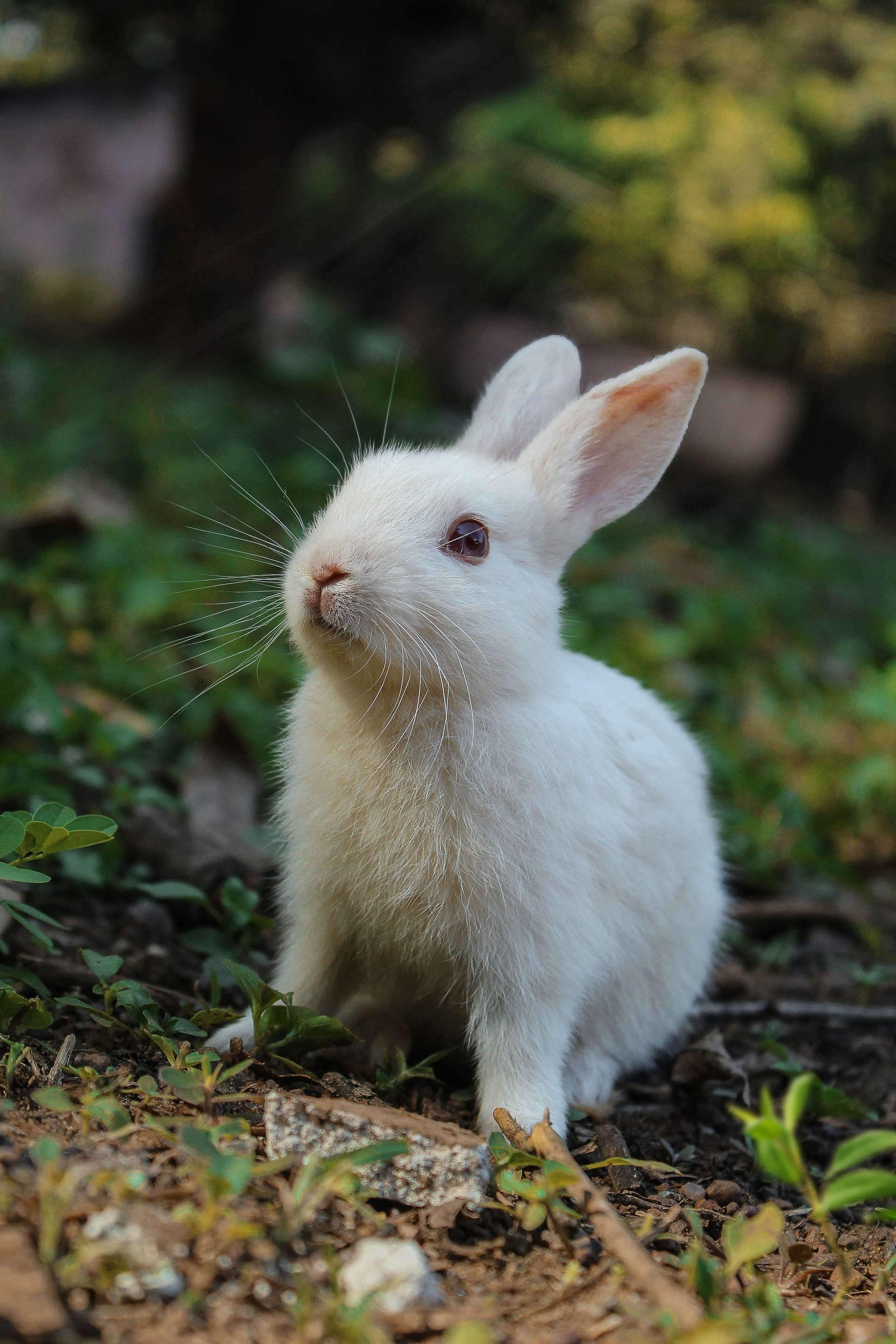
Rabbits are popular pets with over 300 breeds worldwide. Learn about rabbit behavior, diet, housing needs, and how to care for these social animals.
Rabbits are small herbivorous mammals that have become increasingly popular as household pets. With over 300 recognized breeds worldwide, these animals range from the tiny Netherland Dwarf to the massive Flemish Giant.
Rabbits are social creatures that thrive on companionship. In the wild, they live in groups called colonies. Pet rabbits often form strong bonds with their human caregivers and other rabbits. These animals are crepuscular, meaning they become most active during dawn and dusk hours.
Rabbits are strict herbivores with sensitive digestive systems. Hay should make up 80 to 90 percent of their diet. Timothy hay, orchard grass, and meadow hay provide essential fiber for digestive health. Fresh vegetables like romaine lettuce, cilantro, and bell peppers should be offered daily.
Rabbits have unique physical features adapted for survival. Their eyes are positioned on the sides of their heads, providing nearly 360 degree vision. Rabbit teeth never stop growing throughout their lives. Their powerful hind legs allow them to reach speeds up to 45 mph when escaping danger.
Rabbit breeds vary dramatically in size, coat type, and temperament. Popular pet breeds include the Holland Lop, known for its floppy ears and friendly nature. The Lionhead has a distinctive mane of fur around its head. The Flemish Giant can weigh over 20 pounds, while Netherland Dwarfs typically weigh under 3 pounds.
Rabbits need spacious living areas to stay healthy and happy. A cage or enclosure should be at least four times the size of the rabbit when stretched out. Many owners choose to keep rabbits as free roam pets, similar to cats. Exercise is essential for preventing obesity and maintaining muscle tone.
Healthy rabbits require regular veterinary care including annual checkups and spaying or neutering. Common health issues include dental disease, gastrointestinal stasis, and respiratory infections. Signs of illness can be subtle, so owners must monitor eating habits, droppings, and behavior closely. Rabbits are meticulous groomers but may need help during molting seasons.
Rabbits are intelligent animals that can be litter trained and taught simple tricks. They recognize their names and respond to their owners. Many rabbits enjoy being petted on their heads and backs but dislike being picked up. Patience and gentle handling help build trust.
Romans first domesticated rabbits around 2,000 years ago in Spain and France, keeping them in walled enclosures called leporaria for meat.
Medieval monks continued rabbit breeding, developing early varieties and spreading rabbits throughout Europe via monasteries.
Selective breeding for pets began in the 1800s, transforming rabbits from livestock to companion animals with over 300 breeds today.
Rabbits arrived in Australia in 1859 when 24 were released for hunting, eventually becoming one of history's worst invasive species.
The house rabbit movement began in the 1980s, promoting indoor living and proper care that dramatically increased rabbit lifespans.
Research proved rabbits are highly intelligent, capable of learning their names, using litter boxes, and performing tricks.
Studies showed rabbits form genuine attachment bonds with owners and experience loneliness without companionship.
Scientists discovered rabbit teeth grow up to 5 inches per year, requiring constant hay chewing to prevent dangerous overgrowth.
Research revealed rabbits are crepuscular, most active at dawn and dusk rather than being nocturnal as commonly believed.
Studies demonstrated that rabbits can see nearly 360 degrees without moving their heads due to eye placement.
Rabbits became the third most popular pet in many countries, with millions living as indoor companions.
The Easter Bunny tradition spread globally, making rabbits symbols of spring and fertility across cultures.
Bugs Bunny and Peter Rabbit made rabbits beloved characters in entertainment spanning generations.
Rabbit rescue organizations grew significantly as awareness increased about proper care and lifespan.
Social media showcases house rabbits living indoors, changing perceptions from outdoor hutch animals to family members.
Before the house rabbit movement of the 1980s, most pet rabbits lived in outdoor hutches with limited human interaction. Average lifespans were only 5 to 6 years due to inadequate diet, isolation, and exposure to predators and weather. Rabbits were often Easter gifts that were abandoned within months.
After decades of education about proper rabbit care, indoor rabbits now commonly live 10 to 12 years. Hay based diets, bonded companions, and veterinary care transformed rabbit ownership. Spaying and neutering became standard, and rescue organizations grew to rehome thousands of abandoned rabbits annually.
A rabbit's teeth never stop growing and can grow up to 5 inches per year without proper wear
Rabbits can see behind them without turning their heads due to their 360 degree vision
A group of rabbits is called a fluffle, colony, or herd depending on the context
Rabbits perform a joyful jumping and twisting behavior called a binky when they are happy
The world's longest rabbit ears measured 31.1 inches long on an English Lop named Nipper's Geronimo
Rabbits can purr similar to cats by grinding their teeth gently when content and relaxed
Rabbits are now the third most popular pet in many countries with millions in homes worldwide
Proper rabbit care information has increased average pet lifespans from 5 years to 10 or more
Rabbit rescue organizations work to rehome thousands of abandoned rabbits yearly
Indoor housing and bonded pairs are now recognized as essential for rabbit welfare
Understanding prey animal behavior helps owners build trust with these sensitive pets
How much do you know? Take this quick quiz to find out!
Rabbits are not rodents. They are lagomorphs, more closely related to horses than to mice or rats.
Carrots are actually unhealthy for rabbits. High sugar content makes carrots an occasional treat, not a diet staple.
Rabbits cannot vomit. Their digestive systems only work in one direction, making gut health critical.
They purr like cats. Content rabbits grind their teeth gently, creating a soft purring sound.
Bunnies thump to communicate. Loud foot thumps warn of danger or express annoyance.
A group of rabbits is called a fluffle, one of the most endearing collective animal nouns.
Pet rabbits typically live 8 to 12 years when properly cared for, though some can reach 14 years or more. Indoor rabbits generally live longer than outdoor rabbits due to protection from predators, weather extremes, and disease. Spaying or neutering can also extend their lifespan.
This article is reviewed by the Pagefacts team.
Editorial Approach:
This article reveals that rabbits are not rodents but lagomorphs, explains why eating cecotropes is essential rather than gross, and shows how happy rabbits perform joyful jumping twists called binkies.
Explore more fascinating facts in this category
Crabs are crustaceans found on every continent with over 7,000 species. Discover why crabs walk sideways, trade shells, and grow claws stronger than jaws.

Spiders produce silk five times stronger than steel by weight. Discover how spiders fly using electric fields, see in color, and engineer perfect webs.

Jaguars possess the strongest bite of any big cat and kill prey by crushing skulls rather than suffocating. They love swimming and hunt caimans in rivers.