
The Wettest Place on Earth: 40 Feet of Rain Falls Every Year
Mawsynram in India receives over 40 feet of rain every year. Residents grow bridges from living tree roots that get stronger with age and last over 500 years.
Read More
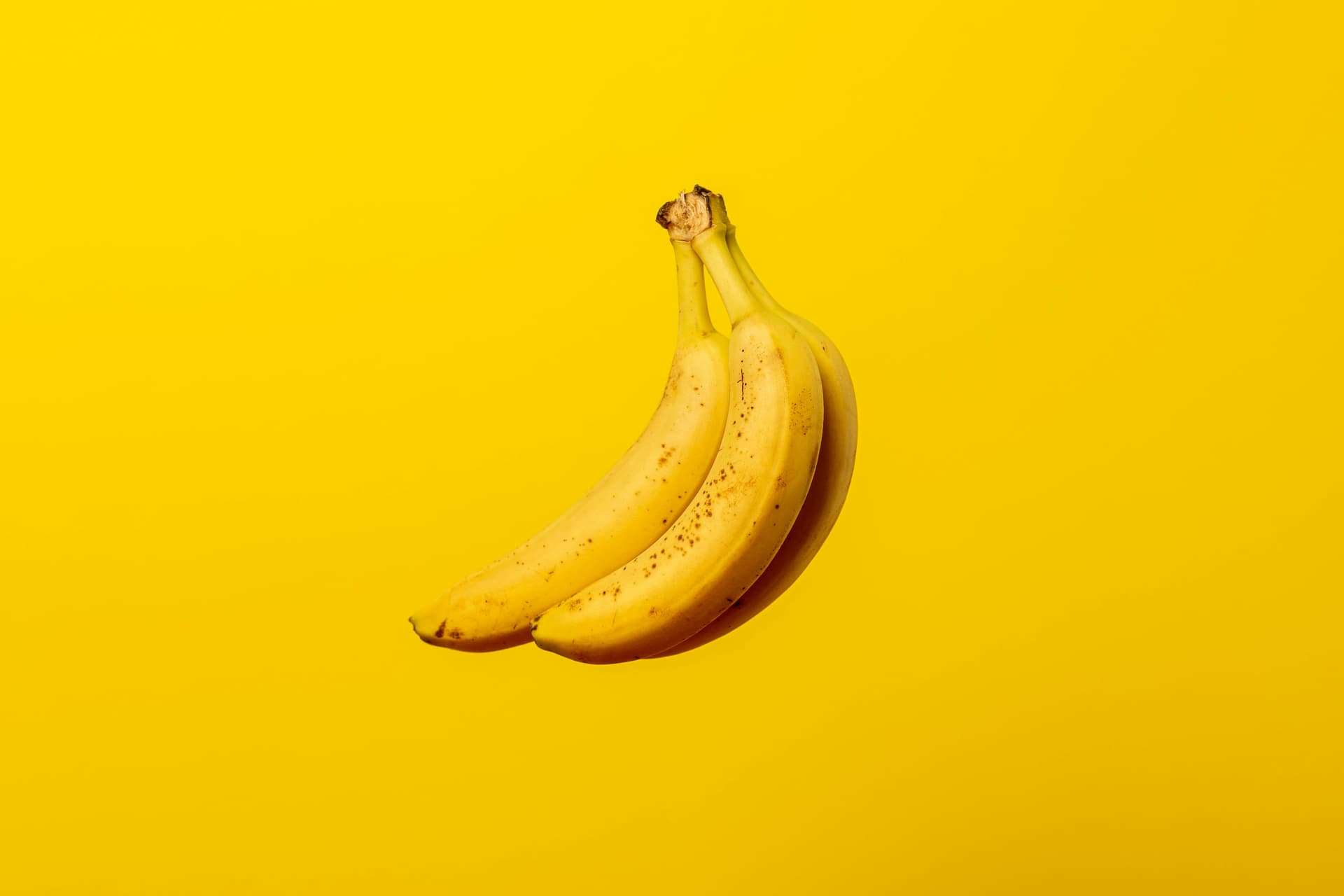
Humans share approximately 60% of their DNA with bananas. This surprising genetic overlap exists because all living things evolved from common ancestors.
Humans share approximately 60% of their DNA with bananas. This surprising genetic overlap exists because all living things on Earth evolved from common ancestors billions of years ago.
All life on Earth uses the same genetic code made from four chemical bases called adenine, thymine, guanine, and cytosine. These bases pair up to form DNA strands that contain instructions for building and operating living cells. When scientists compare human DNA to banana DNA, they find that about 60% of our genes have recognizable counterparts in bananas that perform similar functions.
Every living thing on Earth, from bacteria to blue whales, uses the exact same genetic code to translate DNA into proteins. This universal code provides strong evidence that all life descended from a single common ancestor that lived over 3.5 billion years ago. A gene that tells a human cell to produce a certain protein will create the same protein if you put that gene into a bacterial cell.
The 60% figure does not mean that 60% of your body is banana or that you are more than half banana. Humans have between 20,000 to 25,000 genes total. Of those, about 12,000 to 15,000 have equivalents in bananas that share similar DNA sequences.
We share 98.8% of our DNA with chimpanzees because we split from a common ancestor only 6 to 7 million years ago. We share about 85% with mice, 65% with chickens, and 60% with fruit flies. Even organisms that look nothing like us often share 50% or more of our genes because those genes control basic life processes.
Scientists call genes that remain similar across many species highly conserved genes. These genes survived billions of years of evolution because they perform critical functions that cannot easily change without killing the organism. Genes for basic metabolism, DNA repair, and cell division are highly conserved because all living things need these processes.
Despite sharing 60% of our DNA with bananas, humans are obviously very different from fruit. The genes we do not share with plants control development of nervous systems, brains, muscles, bones, and specialized organs. The same gene might be active during a banana's entire life but only turn on briefly during human embryonic development.
The discovery of DNA's structure in 1953 opened the door to understanding genetic relationships between species.
Genome sequencing technology in the 1990s and 2000s enabled precise comparison of DNA across organisms.
Finding shared genes between humans and plants provided evidence for the common origin of all life.
Genetic comparisons revolutionized our understanding of evolutionary relationships and timelines.
The banana genome was fully sequenced in 2012, confirming the extent of shared genes with humans.
Scientists widely accept the 60% figure as representing genes with similar sequences performing similar functions.
The comparison demonstrates highly conserved genes essential for basic cellular processes.
Some scientists caution that the percentage varies depending on how similarity is measured.
Genetic evidence strongly supports the theory that all life evolved from common ancestors.
Research continues to reveal which specific genes remain conserved across all life forms.
The banana DNA fact became one of the most shared science trivia facts on social media.
The comparison helps people understand that all life on Earth is fundamentally related.
The fact is often misinterpreted to mean humans are part banana, requiring scientific clarification.
DNA comparisons have profound implications for how humans view their place in the natural world.
The shared genetic heritage supports conservation arguments for protecting biodiversity.
Before genome sequencing, scientists could only estimate evolutionary relationships through physical characteristics and fossil records. The extent of genetic similarity between vastly different organisms like humans and bananas remained unknown. Most people assumed humans were genetically unique.
After genome sequencing revealed shared DNA across all life, our understanding of biology transformed. The discovery that humans share 60% of their genes with bananas demonstrated that all life uses the same fundamental molecular machinery. This knowledge revolutionized medicine, agriculture, and our understanding of evolution.
Humans and bananas shared a common ancestor over 1.5 billion years ago
You share 50% of your DNA with your siblings but 60% with a banana
Scientists use the same genetic code to make bacteria produce human insulin
All humans are 99.9% genetically identical regardless of appearance
We share 85% of our DNA with mice, making them excellent medical research models
Only 1.5% of human DNA actually codes for proteins, the rest has other functions
Understanding conserved genes helps identify which genetic functions are essential for all life
The shared genetic code allows scientists to study human diseases using other organisms as models
Genetic similarity demonstrates why protecting biodiversity matters for understanding ourselves
The fact challenges human exceptionalism by showing our deep connection to all living things
Research on conserved genes advances medicine, agriculture, and biotechnology
How much do you know? Take this quick quiz to find out!
You share more DNA with a banana (60%) than siblings share unique DNA with each other
All humans are 99.9% genetically identical, making a banana your closer genetic match than your unique traits
Scientists can insert human genes into bacteria and they work perfectly because of the universal genetic code
The genes we share with bananas control basic survival functions like metabolism and cell division
Plants and animals last shared a common ancestor about 1.6 billion years ago yet retained crucial genes
Only 1.5% of human DNA actually codes for proteins, with the rest having regulatory and other functions
Humans share approximately 60% of their DNA with bananas. This genetic similarity exists because all living things evolved from common ancestors and use similar genes for basic cellular functions like energy production, protein synthesis, and cell division.
This article is reviewed by the Pagefacts team.
Editorial Approach:
This article reveals the surprising genetic connection between humans and bananas, explaining why sharing 60% of our DNA with fruit demonstrates the fundamental unity of all life on Earth.
Explore more fascinating facts in this category
Mawsynram in India receives over 40 feet of rain every year. Residents grow bridges from living tree roots that get stronger with age and last over 500 years.

Mount Everest stands 29,032 feet above sea level. Its summit is made of ocean limestone filled with ancient marine fossils from 450 million years ago.

Parts of Chile's Atacama Desert have not received a single drop of rain in over 500 years. NASA uses this barren landscape to test Mars rovers because the soil is nearly identical.