
National Panda Day: The Greatest Comeback in Conservation
National Panda Day on March 16 celebrates giant pandas and one of conservation's biggest success stories. Wild populations grew from 1,100 to nearly 1,900.
Read More
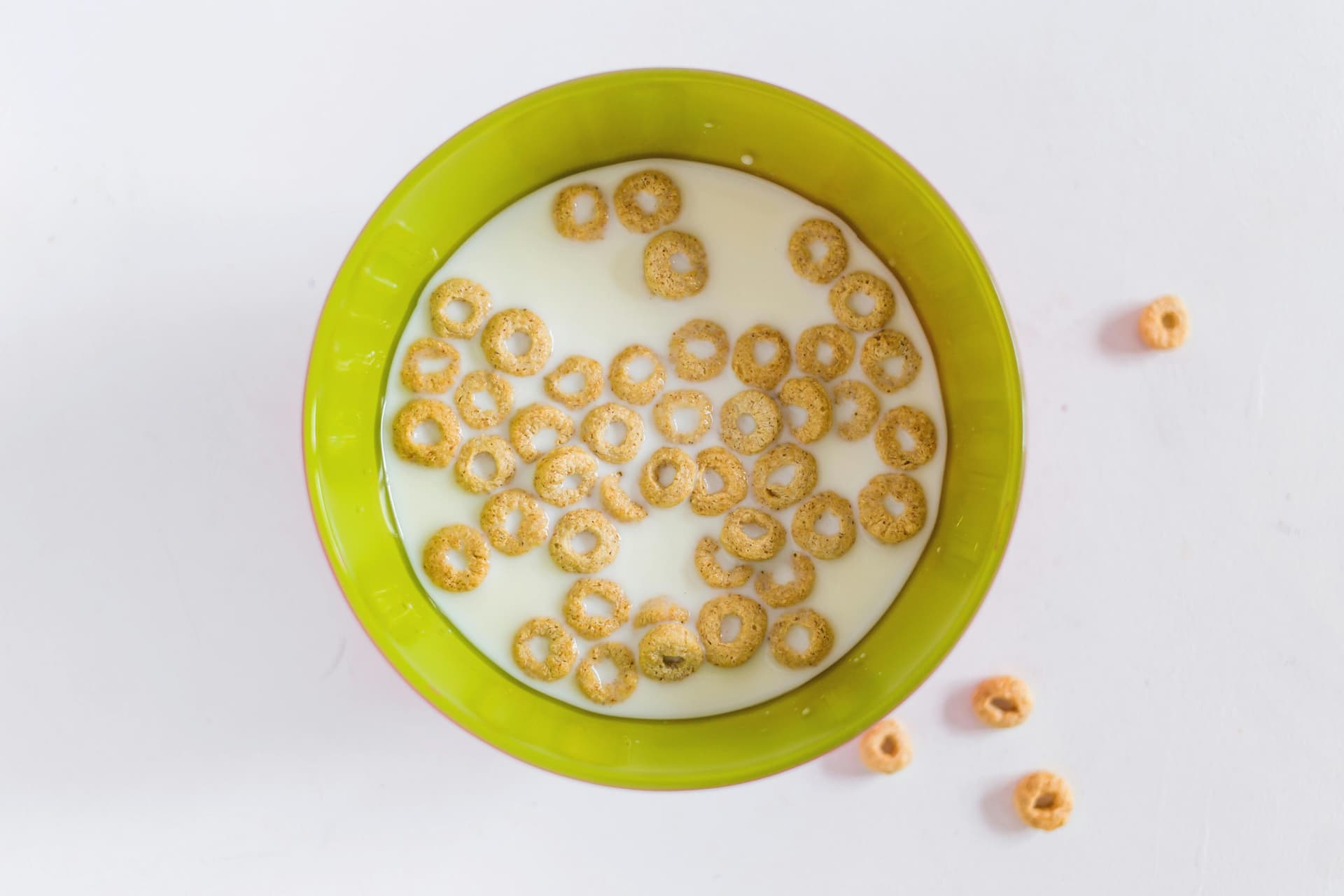
National Cereal Day on March 7 celebrates breakfast cereal, a health food turned sugary empire. Discover the bizarre origins and surprising facts behind it.
National Cereal Day falls on March 7 every year, celebrating the breakfast staple that fills entire grocery aisles. What most people never realize is that cereal started as a bland, tasteless health food designed to curb what Victorian doctors considered dangerous urges.
In the 1800s, sanitarium doctors created the first cold cereals as part of strict wellness diets. The original recipes contained no sugar, no flavor, and barely any appeal. Patients choked them down as medicine, not breakfast. Everything changed when companies discovered that adding sugar turned a health product into something children begged for every morning.
Cereal companies realized early that cartoon characters sold more boxes than nutrition claims ever could. Tony the Tiger debuted in 1952 after beating three other mascots in a public vote. Toucan Sam, the Trix Rabbit, and Lucky the Leprechaun followed, turning grocery aisles into a colorful battlefield where mascots competed for attention.
The golden age of cereal arrived with television. Companies spent millions sponsoring Saturday morning cartoon blocks, creating an unbreakable link between animated shows and sugary breakfasts. Children watched cartoons while eating cereal, and brands embedded themselves into weekend routines that defined entire generations.
Many popular cereals hide a surprising secret. Froot Loops and Fruity Pebbles use the same flavor for every color in the box. The different colors exist purely for visual appeal. Companies discovered that children eat more cereal when the bowl looks like a rainbow, so they engineered colorful illusions of variety.
Grocery stores place cereal boxes at specific heights so mascot eyes meet children at their eye level. Studies found that characters making direct eye contact increase brand trust by over 16 percent. Every shelf placement follows this strategy to maximize the connection between mascot and child.
The global cereal market generates over $35 billion annually. Americans alone consume roughly 2.7 billion boxes every year. Despite health trends pushing toward protein and whole foods, cereal remains one of the most purchased grocery items because it delivers something no smoothie bowl can match: pure nostalgia.
Breakfast cereal emerged from the 1800s health reform movement, where sanitarium doctors promoted bland grain foods as alternatives to heavy meat breakfasts
The transformation from health food to sugary children's product represents one of the most dramatic pivots in food industry history
Battle Creek, Michigan became ground zero for the cereal revolution when over 100 companies set up factories in the small city
Nutritionists have long debated cereal's health claims, with many popular brands containing over 40 percent sugar by weight
The Cornell University eye contact study revealed that cereal mascot placement at children's eye level increases brand trust by 16 percent
Consumer advocacy groups have challenged cereal marketing aimed at children, leading to voluntary sugar reduction pledges from major brands
Saturday morning cartoon sponsorships created an inseparable cultural bond between animated television and cereal consumption
Cereal mascots like Tony the Tiger, Toucan Sam, and the Trix Rabbit became pop culture icons recognized across generations
The cereal aisle transformed grocery shopping into a visual spectacle, with brands competing through box art, prizes, and collectible items
National Cereal Day on March 7 generates significant social media engagement as fans share nostalgic breakfast memories annually
Before cereal existed, American breakfasts consisted of heavy meals featuring meat, eggs, and porridge that took significant time to prepare. The concept of a quick, ready to eat morning food did not exist. Breakfast had no mascots, no colorful boxes, and no connection to children's entertainment or pop culture.
After cereal took hold, breakfast transformed into a quick, convenient, and culturally loaded ritual. Cereal mascots became pop culture icons, Saturday morning cartoons and cereal formed an inseparable pair, and grocery aisles turned into colorful battlegrounds for children's attention. A product born in sanitariums now generates over $35 billion globally and sits in over 90 percent of American pantries.
Cheerios originally launched under the name CheeriOats in 1941.
Cap'n Crunch's full name is Captain Horatio Magellan Crunch.
Grape Nuts contains neither grapes nor nuts despite its name.
Lucky Charms marshmallows drew inspiration from circus peanut candy.
Count Chocula, Franken Berry, and Boo Berry formed cereal's first monster trio.
The global cereal market exceeds $35 billion annually, proving that a Victorian health experiment became one of the most profitable food categories ever created
Over 90 percent of American households purchase cereal regularly, making it one of the most universal grocery staples in the country
Cereal companies continue adapting with protein enriched and reduced sugar options to meet modern health trends while preserving nostalgic brand appeal
The cereal mascot marketing model pioneered in the 1950s still influences how food companies target younger consumers today
National Cereal Day trends on social media every March 7 as millions share childhood breakfast memories and favorite brands
How much do you know? Take this quick quiz to find out!
The first cold cereal, Granula, required overnight soaking because the nuggets were rock hard and nearly impossible to chew straight from the box
Froot Loops and Fruity Pebbles use identical flavoring for every color, proving that visual variety tricks the brain into perceiving taste differences
Tony the Tiger won his mascot role in 1952 through a public vote, beating three other animal candidates that Kellogg's considered
Grocery stores deliberately position cereal boxes so mascot eyes align with children's eye level, a strategy proven to boost brand trust by 16 percent
Cap'n Crunch's full official name is Captain Horatio Magellan Crunch, a detail most lifelong fans never discover
Honey Smacks contains 56 percent sugar by weight, making it closer to candy than the health food cereal originally aspired to be
National Cereal Day lands on March 7 each year. Fans celebrate by sharing their favorite childhood cereals on social media, trying new brands, and enjoying nostalgic breakfast bowls. Many cereal brands and grocery stores run special promotions and limited edition flavors around this date.
This article is reviewed by the Pagefacts team.
Editorial Approach:
This article uncovers the bizarre truth behind breakfast cereal: how a bland Victorian health food designed to suppress urges became a sugary, mascot driven empire worth billions, why every color of Froot Loops tastes identical, how grocery stores position mascot eyes to target children, and why the cereal aisle remains one of the most psychologically engineered spaces in any store.
Explore more fascinating facts in this category
National Panda Day on March 16 celebrates giant pandas and one of conservation's biggest success stories. Wild populations grew from 1,100 to nearly 1,900.

On March 15, 1892, the escalator earned its patent as an inclined elevator. It debuted as a Coney Island amusement ride before changing malls and metros.

Pi Day began on March 14, 1988 when physicist Larry Shaw led a boombox parade through a San Francisco museum. Today it's a global celebration of mathematics.